
The Complete Event Planning Guide:
Organizing a corporate event is more than logistics.
It is branding.
It is positioning.
It is storytelling.
And above all, it is one of the most powerful communication and marketing tools a company can use.
A well-designed event doesn’t just “bring people together.” It creates perception. It shapes reputation. It builds emotional and business connections.
There is no strong communication strategy without events.
And there is no successful event without a communication strategy.
Let’s break down how to plan a corporate event the right way — step by step.
What Is a Corporate Event?
A corporate event is a structured experience created for a specific audience connected to a business objective.
It may aim to:
Launch a product
Strengthen client relationships
Generate leads
Increase brand awareness
Celebrate milestones
Train employees
Attract media attention
Behind every corporate event, there is always one key goal: Impact.
Impact on perception.
Impact on positioning.
Impact on relationships.
Phase 1: Before the Event – Strategic Planning
Every successful event begins long before the doors open. Planning is the foundation that determines whether an event runs smoothly or becomes a logistical nightmare.
There is a famous saying in event management: “If you skip planning, you are planning to fail.” Strong preparation guarantees most of the success of an event. While unexpected situations may arise, a well-structured plan and backup strategies can minimize their impact.
One important thing to remember is that events are live experiences. Unlike digital content, there is no edit button. Once the event starts, every detail contributes to the audience’s perception of the brand. First impressions happen only once, and they matter.
For this reason, strategic planning should always be the first step in the event creation process.
1.1 The Event Brief: Your Starting Point
Before booking venues, contacting suppliers, or announcing the event, you must start with a clear event brief. This document acts as the blueprint for everything that follows.
An event brief helps answer the most important questions:
What is the main objective of the event?
Who is the target audience?
What type of event format best supports this goal?
What is the available budget?
Is organizing an event actually the best strategy to achieve the objective?
Without clear answers to these questions, it is risky to move forward. Many events fail not because of poor execution, but because the initial concept was never clearly defined.
A strong event brief should include:
Clear goals such as increasing brand awareness, generating sales, strengthening client loyalty, or creating networking opportunities
Event format (conference, product launch, gala dinner, workshop, seminar, etc.)
Estimated number of attendees and audience profile
Total available budget
Core message and brand philosophy
Clarity at this stage saves time, money, and unnecessary stress later in the planning process.
1.2 Choosing the Right Date and Time
Timing plays a critical role in the success of any event. Even a perfectly organized event can fail if it takes place at the wrong moment.
When selecting a date, consider several factors that may influence attendance:
Whether your audience is B2B (business-to-business) or B2C (business-to-consumer)
National holidays and vacation periods
Weather conditions
Competing industry events
Major sports events or cultural celebrations
The amount of preparation time required
For example, midweek events often work better for B2B audiences, as professionals are already in work mode. On the other hand, weekends may be more suitable for consumer-focused experiences.
Weather can also significantly impact attendance, especially for outdoor events. In addition, major sporting events—such as a Champions League final—can dramatically reduce participation if scheduled at the same time.
Choosing the right moment is not just logistics. It is a strategic decision that directly affects attendance and engagement.
1.3 Creating the Event Agenda
Once the concept and date are defined, the next step is to design a clear and well-structured event agenda.
A strong agenda ensures that the event flows naturally and keeps the audience engaged from beginning to end.
Your schedule should include:
Event start and end times
Speaker sessions or presentations
Breaks for refreshments or networking
Interactive activities
Special moments such as product reveals or performances
It is important to remain realistic when building the schedule. Overloaded agendas can exhaust attendees, while poorly timed sessions can cause delays and confusion.
Events that run significantly behind schedule often damage brand perception. Attendees associate punctuality with professionalism.
In event management, precision equals professionalism.
1.4 Backward Planning (Retroplanning)
One of the most effective techniques in event planning is backward planning, also known as retroplanning.
Instead of starting from today and moving forward, this method begins with the event date and works backwards to determine all the tasks required to reach that point.
This timeline should clearly outline:
Every task that needs to be completed
The person responsible for each task
The deadline for completion
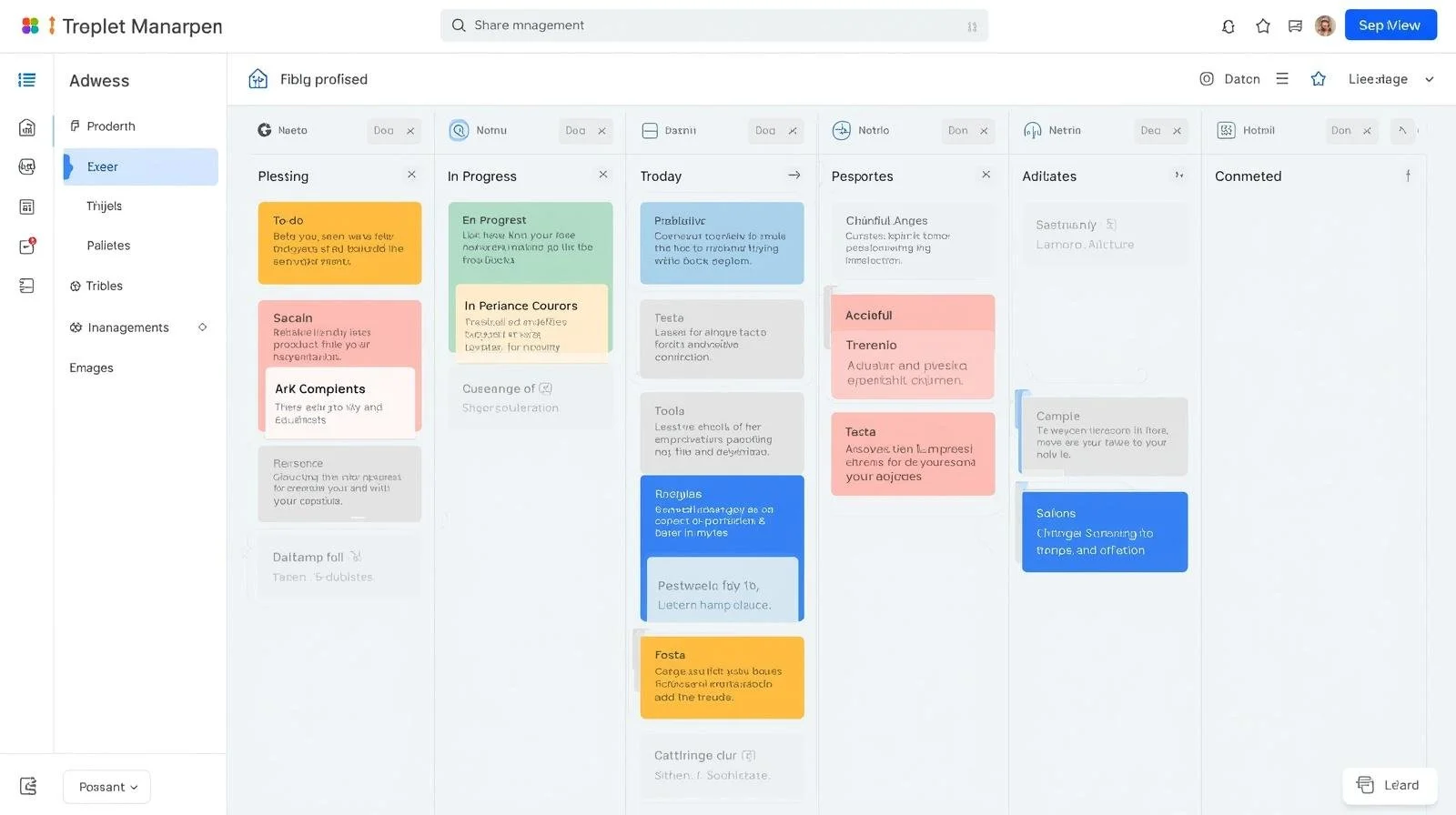
Using project management tools can make this process much easier. Platforms like Trello or Asana are commonly used by event teams to organize timelines and responsibilities. A detailed spreadsheet can also work effectively for smaller projects.
Your retroplanning document becomes the operational backbone of the entire event, ensuring that nothing is forgotten and that the team stays aligned throughout the planning process.
Strategic Planning Before an Event
Phase 2. Event Planning Execution
Turning Strategy into Reality
Once the strategic foundations are in place, event planning moves into its next phase: execution.
This is where ideas begin to transform into real experiences. Every decision—from the venue to the guest list—contributes to how attendees perceive the event and the brand behind it.
Professional event planners know that execution is where strategy meets logistics. A strong concept must now translate into a well-coordinated plan involving venues, suppliers, budgets, and content.
When managed properly, this phase ensures that the original vision becomes a seamless and memorable event experience.
2.1 Venue Selection: Choosing the Right Environment
The venue is one of the most influential elements of any event. It shapes the audience’s first impression and sets the tone for the entire experience.
When selecting a venue, event planners should evaluate several practical and strategic factors:
Accessibility for guests and suppliers
Venue capacity and comfort
Technical equipment and infrastructure
Loading access for production teams
Parking availability and nearby accommodation
Setup and teardown time
Availability of experienced staff support
Budget compatibility
Required permits and safety regulations
However, beyond logistics, the venue must also align with the brand message and event concept.
For example, a luxury brand event would feel out of place in an industrial warehouse, while a startup product launch might not match the atmosphere of a traditional ballroom.
Context matters. The venue should reinforce the story the event is trying to tell.
2.2 Concept and Creative Direction
Great events are not just well organized — they tell a story.
At this stage of the event planning process, organizers define the creative direction that will guide the entire experience.
This includes:
The overall event theme
The narrative or message behind the event
The emotional experience for the audience
The visual identity and style
Every element of the event should connect to one central idea. When all components work together, attendees feel immersed rather than simply informed.
Innovation and creativity are powerful tools in event management. Unique experiences are remembered, while generic events are quickly forgotten.
2.3 Visual Identity and Experience Design
In event planning, everything communicates something about the brand.
From the first invitation to the final moment of the event, every detail contributes to the overall experience.
Important elements of event design include:
Invitations and communication materials
The event website or registration page
On-site signage and wayfinding
Stage design and decoration
Staff uniforms
Music and sound environment
Lighting design
Scents and atmosphere
Branded merchandising
Consistency across these elements is essential. When visual identity and experience design are aligned, they reinforce brand credibility and professionalism.
It is also important to avoid excessive decoration. In many cases, intentional minimalism can be more powerful than visual overload.
A carefully designed atmosphere influences the audience subconsciously and strengthens brand positioning throughout the event.
2.4 Guest List Strategy
A successful event does not only depend on the experience itself, but also on the right audience being present.
This is why guest list strategy plays a critical role in event planning.
Event organizers should define:
The target number of attendees
The profile of the ideal audience
The expected no-show rate
The registration system and ticketing process
Maximum capacity limits
Understanding attendance behavior is also important when forecasting participation.
Because of these patterns, many organizers use a small percentage of overbooking to ensure the event reaches the desired attendance level.
A carefully planned guest list ensures the event achieves its networking, marketing, or brand engagement goals.
2.5 Working with Suppliers and Partners
Events rely on the collaboration of multiple suppliers and partners. Choosing experienced professionals is essential for a smooth execution.
When confirming suppliers, event planners should clearly define:
Deliverables and expected results
Production deadlines
Technical requirements
Safety documentation and compliance
Setup and dismantling logistics
Clear communication is the foundation of successful collaboration.
When expectations and responsibilities are defined early, teams can avoid misunderstandings and last-minute surprises that could disrupt the event.
Strong supplier relationships are often one of the biggest assets in professional event management.
2.6 Budget Control and Financial Planning
One of the most important responsibilities of an event planner is maintaining control of the event budget.
Every expense should be carefully tracked to ensure the event remains financially sustainable.
Typical event costs may include:
Venue rental
Catering services
Event production and staging
Marketing and promotion
Staff and event personnel
Speaker fees
Technical equipment
Photography and video production
Before approving final decisions, planners should always review the complete financial picture.
Creative ideas are important in event design, but they must remain aligned with the available resources. Creativity thrives when supported by financial discipline.
2.7 Managing Speeches and Event Content
Content is often the heart of an event. Speakers, presentations, and discussions shape the message that attendees take away from the experience.
For this reason, event planners must ensure that all speakers are aligned with the event’s core message.
Key aspects to manage include:
A consistent narrative across presentations
Strict time management for each session
Clear key takeaways for the audience
When speeches are disconnected from the main theme, they can disrupt the flow of the event and weaken its overall impact.
Carefully curated content ensures that every moment of the event contributes to the intended message and delivers real value to attendees.
Turning Strategy into Reality

Phase 3. Event Promotion:
Making Sure Your Audience Knows About Your Event
Even the most carefully planned event can fail if no one knows it exists. In the world of event planning, promotion is just as important as logistics or creative design.
A simple rule applies to every successful event strategy: an event that no one hears about does not exist.
Promotion ensures that the right audience discovers the event, understands its value, and feels motivated to attend. A strong marketing strategy can significantly increase registrations, engagement, and overall event success.
Effective event promotion requires using multiple communication channels to reach potential attendees where they already spend their time.
Key Channels for Event Promotion
Successful event marketing strategies typically combine several promotional channels. Using a mix of digital and direct communication helps maximize visibility and reach a wider audience.
Some of the most effective event promotion channels include:
Email Marketing
Email marketing remains one of the most powerful tools for event promotion. It allows organizers to communicate directly with potential attendees and provide clear information about the event.
A well-designed email campaign can include:
Event announcements
Early-bird registration offers
Speaker highlights
Agenda previews
Reminder emails as the event date approaches
Consistent and strategic email communication helps keep the event top of mind for potential participants.
Social Media Campaigns
Social media platforms are essential for building visibility and generating excitement around an event.
Platforms like LinkedIn, Instagram, and Facebook allow event organizers to share updates, visuals, and behind-the-scenes content that engages audiences before the event even begins.
Effective social media strategies may include:
Event countdown posts
Speaker announcements
Short video previews
Interactive polls or questions
Attendee testimonials from previous events
The goal is to create anticipation and encourage people to share the event within their own networks.
Paid Advertising
Paid advertising can significantly expand the reach of your event promotion strategy. Platforms such as Google Ads or social media advertising allow organizers to target specific audiences based on location, industry, interests, and professional roles.
This targeted approach ensures that promotional efforts reach people who are most likely to be interested in attending the event.
Paid campaigns can be particularly useful for:
Increasing event registrations quickly
Reaching new audiences outside your existing network
Promoting early registration deadlines
Influencers and Industry Experts
Collaborating with influencers or respected professionals in your industry can increase credibility and attract attention to your event.
When influencers share the event with their audience, it can create a powerful ripple effect that expands reach and builds trust.
In many industries, recommendations from trusted voices can be more persuasive than traditional advertising.
Industry Media and Event Platforms
Publishing your event through industry media outlets or event platforms can also help reach a targeted audience.
These platforms often attract professionals who are actively searching for conferences, workshops, and networking opportunities.
Being featured in specialized industry channels can significantly increase the visibility and credibility of your event.
Direct Invitations
For corporate events, conferences, or exclusive gatherings, direct invitations remain one of the most effective promotional strategies.
Personalized invitations sent to key clients, partners, or industry professionals create a sense of exclusivity and importance.
Direct outreach can include:
Personal emails
LinkedIn messages
VIP invitations
Phone calls for key stakeholders
This approach is particularly effective when the event aims to build relationships rather than simply maximize attendance.
Monitor Registrations and Adjust Your Strategy
Event promotion does not end once the first campaign is launched. Successful event planners continuously monitor registration data and adjust their strategy when necessary.
Tracking sign-ups allows organizers to identify whether the event is gaining traction or if additional promotion is required.
If registration numbers remain lower than expected, several adjustments may help:
Increasing promotional frequency on social media
Launching targeted paid advertising campaigns
Sending reminder emails to potential attendees
Highlighting key speakers or exclusive event benefits
Flexibility is essential in event marketing. The earlier adjustments are made, the easier it is to increase visibility and reach the desired attendance level.
In event management, promotion is not just communication—it is the engine that drives participation and engagement.
Event Setup & Rehearsal: Ensuring a Smooth Event Execution
A successful event depends not only on planning and promotion but also on careful preparation and rehearsal. Proper setup and testing reduce stress, prevent mistakes, and ensure the audience has a flawless experience.
In event management, attention to detail often makes the difference between a good event and a great one. Organizers who prioritize setup and rehearsal create events that feel professional and seamless.
Event Setup: Prepare Everything in Advance
Preparation is key. The setup phase involves organizing all the physical and technical elements of the event so that everything is ready for attendees.
Event planners should check and prepare:
Printed materials such as programs, name badges, and brochures
Seating arrangements that reflect the event format and audience needs
Technical equipment including microphones, projectors, screens, and computers
Backup materials in case of last-minute changes or failures
Contact list of all suppliers to quickly resolve any issues
Small details can have a huge impact on the attendee experience. A well-prepared event space reflects professionalism and reassures participants that the event will run smoothly.
Event Rehearsal: Test Every Element
Rehearsals are a critical part of event execution. They allow organizers and staff to identify potential problems and ensure all aspects of the event function correctly.
Key elements to test during rehearsals include:
Sound systems to avoid technical glitches during presentations
Lighting for stage, screens, and audience areas
Presentations and slides to ensure correct formatting and smooth transitions
Event flow and transitions between sessions or activities
Livestream connections if the event is hybrid or virtual
Rehearsals dramatically reduce stress on the day of the event. By testing each element beforehand, organizers can anticipate challenges, make adjustments, and create a smooth, professional experience for attendees.
Why Setup & Rehearsal Are Crucial
In event planning, last-minute surprises can compromise even the best-prepared event. Setting up early and rehearsing everything ensures:
Smooth transitions between sessions
A polished, professional appearance
Reduced risk of technical failures
Peace of mind for the organizers and speakers
Proper setup and rehearsal are investments in the success of the event. The more thorough your preparation, the more confident your team and audience will feel.
Event Coordination: Run-of-Show for a Seamless Experience
To ensure a professional and well-executed event, create a detailed run-of-show document. This document serves as a roadmap for your team, aligning responsibilities and timelines for every aspect of the event.
Key elements to include in your run-of-show:
Timeline: a minute-by-minute or hour-by-hour schedule of activities
Responsible persons: clearly assign who is accountable for each task
Technical cues: lighting, sound, video transitions, and any AV requirements
Speaker entrances: coordinated timing to maintain flow and audience engagement
Before doors open, hold a team briefing to review the schedule, responsibilities, and contingency plans. Synchronization is critical — when the team is aligned, the event runs like clockwork.
A thorough run-of-show is one of the most important tools in professional event management, preventing delays and ensuring every moment contributes to the event’s goals.
Amplifying Impact: Make Your Event Go Beyond the Venue
Events that are memorable don’t just happen — they are amplified. Leveraging social media, press coverage, and experiential design can dramatically increase event visibility and engagement.
Strategies to maximize impact include:
Create a memorable hashtag: encourage attendees to post and share experiences online
Encourage live social sharing: facilitate content creation during the event through Instagram, TikTok, or LinkedIn
Invite media and influencers: attract coverage and expand audience reach beyond your attendees
Design Instagram-friendly spaces: visually appealing areas for photos and videos increase engagement and social shares
Facilitate press coverage: provide press kits, schedules, and exclusive content to make coverage easier
When done correctly, your event lives beyond its physical walls. Attendees, online followers, and media coverage continue to reinforce the message, creating a lasting impression.
Why Coordination and Amplification Are Critical
In event planning, attention to coordination and amplification ensures:
Smooth execution and minimal disruptions during the event
Increased audience engagement and social interaction
Higher media coverage and brand visibility
Stronger ROI on marketing and event budgets
Every successful corporate event combines precise coordination with strategic amplification, making the experience unforgettable while maximizing its reach.
Making Sure Your Audience Knows About Your Event

Phase 4. Post-Event Strategy:
Maximizing Impact After the Event
Many organizers make the mistake of thinking that an event ends when the last guest leaves. In professional event planning, the post-event phase is just as important as preparation, setup, and execution. This stage is where you measure success, build lasting relationships, and maximize ROI.
A well-executed post-event strategy ensures that your investment continues to deliver value long after the event concludes.
1. Breakdown & Logistics: Closing Out the Venue
Once the event ends, the first priority is a smooth breakdown and teardown. Coordinating logistics efficiently minimizes stress and prevents last-minute chaos.
Key steps include:
Teardown of staging and equipment
Cleanup and recycling of materials
Returning rented equipment and confirming condition
Coordinating with the venue and suppliers to ensure everything is closed out properly
Efficient logistics demonstrate professionalism and respect for both your team and the venue.
2. Supplier Payments: Finalizing Financial Commitments
Closing financial responsibilities is a crucial part of event wrap-up. Ensure all vendors, suppliers, and contractors are paid promptly according to agreements.
This not only maintains strong relationships for future events but also prevents administrative issues that could cause delays or disputes later.
3. Performance Evaluation: Measuring Event Success
To understand the effectiveness of your event, conduct a thorough post-event evaluation. Use metrics that reflect both attendee satisfaction and business impact:
Attendance vs expectations: Did the event reach its target audience?
Engagement levels: Were participants actively involved in sessions, networking, or activities?
Social media reach: How much exposure did the event generate online?
Media coverage: Was the event mentioned in press, blogs, or industry outlets?
Lead generation: Did the event produce quality contacts for follow-up?
ROI: Evaluate whether goals were met relative to the budget
Sending satisfaction surveys to attendees provides valuable qualitative insights. Documenting lessons learned ensures continuous improvement for future events.
4. Media & Content Review: Capturing the Moment
The content created during your event extends its life and marketing value. Post-event, review and organize all media assets:
Photos and videos for future marketing or highlights
Social media mentions and engagement
Press coverage and articles
Post-event gallery or recap video to share with attendees
Content review allows your event to live beyond its physical presence, giving your audience ongoing engagement opportunities.
5. Thank You Communication: Building Long-Term Relationships
Follow-up communication is one of the most impactful elements of post-event strategy. Sending personalized messages demonstrates appreciation and reinforces the connection with your audience.
Your follow-up emails should:
Thank attendees for their participation
Share highlights and key moments from the event
Provide next steps, such as links to content, offers, or future events
Gratitude strengthens relationships, encourages repeat attendance, and builds long-term brand loyalty.